


Infectious Disease
There’s a large battle against microscopic organisms

Why is it a problem?
Why is it a problem?
Why are they a problem?
Infectious diseases are diseases that can be spread from person to person – this can be directly through close contact, or indirectly, from an infected person to an object, e.g. food, handles etc.
Did you know?
Aotearoa New Zealand has one of the highest rates of childhood skin infections among resource-rich countries.
Skin infections in New Zealand
Children in Aotearoa New Zealand have relatively high rates of skin infections, particularly serious skin infections, such as cellulitis, compared with other high-income countries.
Damage to the skin (whether caused by injuries, stings or bites, chickenpox, scabies, or skin conditions like eczema) can provide an entry point for infection with bacteria, fungi, viruses, or parasites, as can hair follicles.
Most mild skin infections can be treated at home by keeping infected sores clean and covered and using over-the-counter medicines. Other infections can be effectively managed in primary care. However, if minor skin infections are not detected and treated early, they can cause complications that require admission to hospital.
Serious skin infections may need costly treatment with intravenous antibiotics for cellulitis or sepsis or surgical interventions for abscesses or complex wounds.
Inequality
Rates of skin infection differ widely in children from different ethnic and socioeconomic groups.
Although disparities in rates of hospitalisation for serious skin infections in children have reduced in the last five years, inequities remain.
The rate of hospitalisation for Pasifika children with serious skin infections is three times that of children of European or Other ethnic groups, and for tamariki Māori, it is almost twice the rate.
Research has shown that deprivation is linked to skin infections through factors such as:
- affordability of hot water, electricity, and machines for washing and drying clothes
- access to medical care
- adequacy of nutrition
- and crowded housing conditions
What are we doing to help?
Developing a safer test for joint and bone infections in children
Amy Scott-Thomas, University of Otago
Māori and Pacific children have more frequent bone and joint infections than other children. This study aims to develop a new technique to detect bacterial infection inside children’s bones and joints without having to use invasive tests (e.g. using a needle to withdraw fluid from a joint).
Dr Amy Scott-Thomas will test a new method using magnetic beads to recognise and concentrate specific fragments of bacterial DNA found in samples of blood and urine, and therefore enable sensitive detection of the bacteria.
If the study is successful, it will reduce stress for children by avoiding needles and other invasive tests, and enable faster diagnosis and treatment with antibiotics. This should also help to avoid development
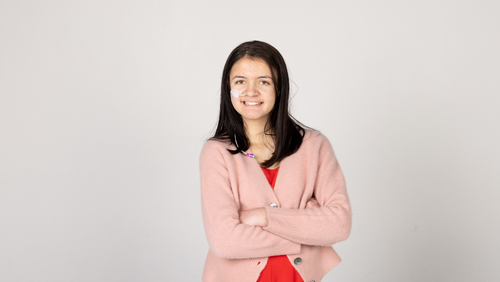
Eva has been fighting to survive her entire life. She was born with only half a diaphragm after suffering a diaphragmatic hernia during foetal development. With a hole in her diaphragm, nothing was holding Eva’s vital organs in place and they pushed up into her chest cavity, preventing her lungs from developing normally.
At just six weeks of age, Eva underwent her first operation to rebuild her diaphragm and reposition her organs. After multiple surgeries, numerous bouts of pneumonia, several strokes and an ongoing challenge with a hospital-acquired MRSA bug, she has defied the odds to be alive today.
Eva’s stomach and bowel do not function and after years of being fed intravenously she now uses a nasogastric tube and ileostomy to try keep her weight gain and health stable. Her body is constantly developing complications that drastically put her life at risk and require immediate intervention.
Eva is extremely close to her siblings. Her favourite hobbies are singing, dancing and baking.

Help fund researchers like Alison.
Every cent helps, no matter how small.
Big Research
We are currently supporting over $16 million of child health research projects.
Learn more
-
Preterm Health
4 Active projects$464.8K -
Childhood Cancers
2 Active projects$3.2M -
Maternal and Infant Conditions
8 Active projects$751.4K -
Rheumatic Heart Disease
6 Active projects$2.8M -
Childhood Development & Sensory Studies
1 Active project$228K -
Neurological and Neurodevelopmental Disorders
3 Active projects$749.2K -
Endocrinology, Metabolism & Nutrition
2 Active projects$125K -
Mental Health and Wellbeing
9 Active projects$1.2M -
Oral and Dental Disease
2 Active projects$151K -
Genetic Conditions and Rare Disorders
3 Active projects$801K -
Respiratory Conditions
5 Active projects$862.6K -
Infectious Disease
2 Active projects$219.7K -
Gastrointestinal Conditions
1 Active project$600K


